
Oral Health
How often should you visit a dentist?
For many patients, a dental checkup every six months is a good habit. Some people need visits more often if they have gum disease, tooth pain, diabetes, frequent cavities, dry mouth, braces, implants, crowns or ongoing dental treatment.
Why regular checkups matter
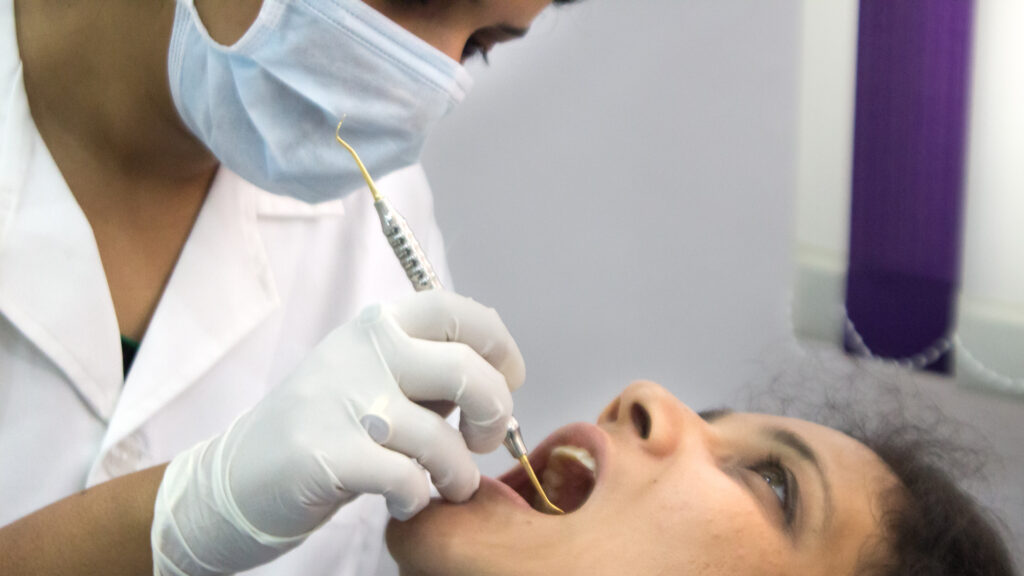
A dental checkup is not only for people who already have tooth pain. In many cases, cavities, gum inflammation and early infection begin quietly. By the time pain appears, the treatment may be more complex than a simple filling, cleaning or preventive correction. A routine visit gives the dentist a chance to examine your teeth, gums, bite, restorations and oral hygiene habits before small problems become urgent.
The CDC explains that cavities and gum disease are common oral diseases and leading causes of tooth loss. The same public health guidance highlights that dental checkups are a useful time to discuss your personal risk for oral disease and how to protect your mouth. This is important because two patients can look similar from the outside but have very different risk levels. A person with frequent snacking, dry mouth or old restorations may need closer monitoring than someone with low cavity risk and stable gums.
At PurpleDent Dental Clinic in Sector 137, Noida, preventive checkups are planned to be practical and easy to understand. Dr. Divya Goel, BDS, Founder and Chief Dental Surgeon, focuses on helping patients know what is happening in their mouth, what needs attention now, and what can be maintained with better home care.
What happens during a dental checkup?
A checkup usually starts with listening. The dentist asks about pain, sensitivity, bleeding gums, bad breath, previous dental treatment and any medical conditions that may affect oral health. Next comes a visual examination of the teeth and gums. The dentist may check for cavities, cracked teeth, loose fillings, plaque deposits, gum inflammation, spacing, bite issues and signs of wear from grinding.
When needed, an X-ray may be advised to see areas that are not visible in a normal mirror examination, such as decay between teeth, root infection, bone levels around teeth or concerns under an old crown. Not every patient needs an X-ray at every visit. The decision depends on symptoms, age, history and clinical findings.
Many checkups are combined with scaling and polishing. Professional cleaning removes plaque and hardened tartar from areas that are difficult to clean with a toothbrush. The CDC notes that plaque is a sticky film on tooth surfaces, and bacteria in plaque can contribute to gum disease. Cleaning helps reduce this buildup and gives the gums a healthier environment.
How often should you visit?
The traditional answer is every six months, and that schedule works well for many people. However, the best frequency should be personalized. Patients with gum disease, frequent cavities, orthodontic appliances, smoking habits, diabetes, pregnancy-related gum changes, dental implants or extensive crowns and bridges may need more frequent visits. Low-risk patients with excellent home care may sometimes be advised differently after examination.
The key point is consistency. A yearly visit is better than waiting until pain begins, but many families benefit from twice-yearly preventive care. Children also need regular dental visits because their teeth, diet habits and brushing skills change quickly. Early visits help build comfort and allow the dentist to guide parents before problems become bigger.
When to book sooner
Do not wait for your next routine appointment if you notice toothache, swelling, bleeding gums, sensitivity to hot or cold, pain while chewing, pus, a broken tooth, jaw pain, a loose crown, mouth ulcers that do not heal or persistent bad breath. These symptoms may signal infection, gum disease, decay, trauma or another concern that needs timely diagnosis.
Preventive care saves treatment time
Preventive dentistry is one of the simplest ways to protect natural teeth. A small cavity may need a filling. A deeper cavity may require root canal treatment and a crown. A gum problem found early may improve with cleaning and home-care changes, while advanced gum disease may need more involved periodontal treatment. Regular checkups help reduce uncertainty and make dental care easier to plan.
For families in Noida, a regular dental checkup also creates a dental record. This helps the dentist track changes over time, compare X-rays when needed, and understand how your oral health responds to cleaning, fillings, aligners or other treatment. At PurpleDent, the goal is not to overtreat. The goal is to guide patients with clear, ethical and affordable care.
Authority sources
- CDC: About Oral Health
- CDC: About Periodontal Gum Disease
- NIDCR: The Tooth Decay Process
- Mayo Clinic: Dental Care
Free image resource
For a free dental checkup related image, see this Pexels dental cleaning photo. Always review the license terms before using any external image on a commercial website.
FAQs
Is a dental checkup needed if I have no pain?
Yes. Cavities and gum problems can begin without pain. A checkup helps find early signs before treatment becomes more complicated.
How often should children visit a dentist?
Many children benefit from regular visits every six months, but the dentist may recommend a different schedule based on cavity risk, brushing habits and growth.
Will every checkup need an X-ray?
No. X-rays are recommended when they are clinically useful, such as checking hidden decay, infection, bone levels or old dental work.
Can a checkup include teeth cleaning?
Often, yes. If plaque or tartar is present, scaling and polishing may be advised during or near the checkup appointment.