
Oral Health
Why monsoon season can affect your oral health.
The arrival of the monsoon brings welcome relief from the summer heat. While the rainy season is refreshing, it can also create conditions that affect your oral health.
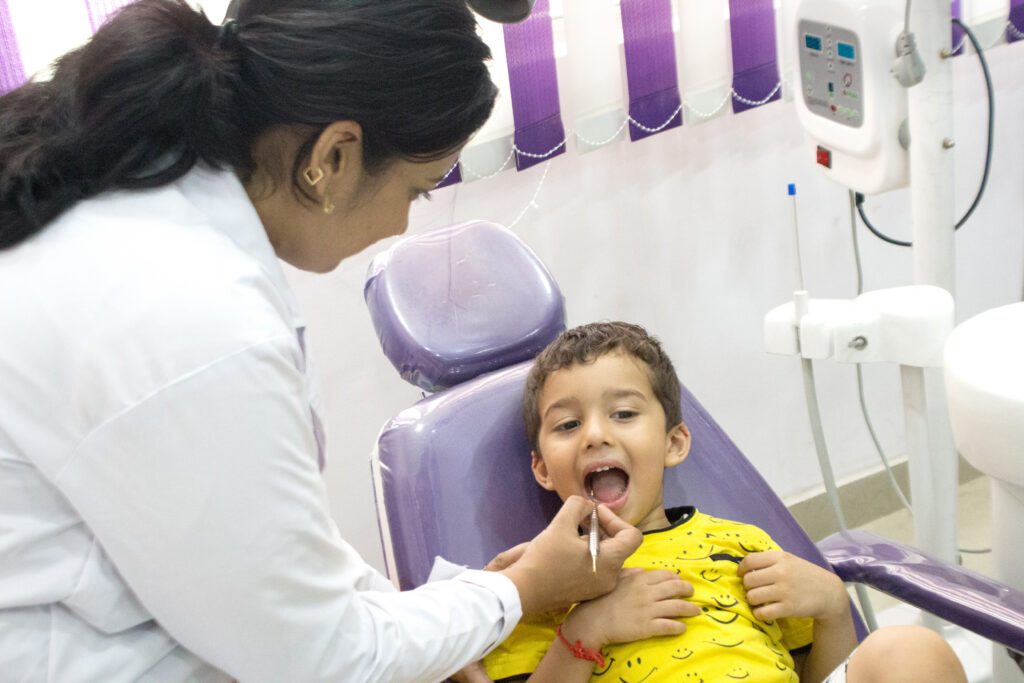
Increased humidity, changes in eating habits, and seasonal infections can contribute to dental problems if proper care is not taken.
At PurpleDent Dental Clinic, Sector 137, Noida, we often see an increase in patients experiencing gum issues, mouth ulcers, and bad breath during the monsoon months. Understanding these seasonal changes can help you keep your smile healthy throughout the rainy season.
How does monsoon affect oral health?
Increased bacterial growth
The humid weather during monsoon creates an environment where bacteria and fungi can thrive. These microorganisms can accumulate in the mouth, increasing the risk of:
- Bad breath
- Gum infections
- Tooth decay
- Oral fungal infections
Maintaining excellent oral hygiene becomes even more important during this season.
Higher risk of gum problems
Many people notice swollen or bleeding gums during the rainy season. Increased bacterial activity can irritate the gums and lead to conditions such as gingivitis.
Common signs include:
- Red or swollen gums
- Bleeding while brushing
- Gum tenderness
- Persistent bad breath
If left untreated, gingivitis can progress to more serious gum disease.
Mouth ulcers become more common
Changes in diet, lowered immunity, dehydration, and stress can contribute to mouth ulcers during the monsoon. Although most ulcers heal on their own, recurring ulcers may require professional evaluation.
Increased consumption of comfort foods
Rainy weather often encourages people to enjoy hot beverages, fried snacks, and sugary treats. Frequent consumption of these foods can increase the risk of:
- Tooth decay
- Plaque buildup
- Enamel erosion
Moderation and proper oral hygiene are essential.
Reduced water intake
People often feel less thirsty during the monsoon and may drink less water than usual. Reduced water intake can decrease saliva production, allowing bacteria to multiply more easily.
Saliva plays a crucial role in:
- Neutralizing acids
- Washing away food particles
- Protecting teeth from decay
Tips to maintain good oral health during monsoon
Brush twice daily
Brush your teeth for at least two minutes, twice a day, using fluoride toothpaste. Pay special attention to the gum line where plaque tends to accumulate.
Don't skip flossing
Flossing helps remove food particles and plaque from areas your toothbrush cannot reach.
Stay hydrated
Even during cooler weather, drink plenty of water throughout the day to maintain healthy saliva production.
Limit sugary and sticky foods
Try to reduce the frequency of sugary snacks and beverages. If you do indulge, rinse your mouth with water afterward.
Eat immunity-boosting foods
Include foods rich in:
- Vitamin C
- Calcium
- Phosphorus
- Antioxidants
Fresh fruits, vegetables, dairy products, and nuts can support both oral and overall health.
Replace your toothbrush regularly
The humid monsoon environment can encourage bacterial growth on toothbrushes. Replace your toothbrush every three months or sooner if the bristles become worn.
Schedule a professional dental check-up
Regular dental examinations help identify potential problems before they become serious. Professional cleaning can remove plaque and tartar that daily brushing cannot eliminate.
When should you visit a dentist?
Do not ignore symptoms such as:
- Persistent bad breath
- Bleeding gums
- Tooth sensitivity
- Mouth ulcers lasting more than two weeks
- Tooth pain
- Swelling in the gums or face
Early treatment can prevent more complex dental problems later.
Keep your smile healthy this monsoon
The monsoon season may bring pleasant weather, but it can also present unique challenges for your oral health. By maintaining good oral hygiene, staying hydrated, and scheduling regular dental check-ups, you can enjoy the rainy season without compromising your smile.
At PurpleDent Dental Clinic, we are committed to helping families in Noida maintain healthy teeth and gums throughout the year.
FAQs
Can monsoon weather cause toothaches?
Monsoon weather itself does not directly cause toothaches, but increased bacterial growth and existing dental problems may become more noticeable during this season.
Why do my gums bleed more during monsoon?
Increased bacterial activity and plaque accumulation can contribute to gum inflammation and bleeding.
How often should I visit the dentist?
Most people should have a dental check-up every six months, although some patients may require more frequent visits.
Are mouth ulcers common during the rainy season?
Yes, changes in immunity, diet, and hydration levels can make mouth ulcers more common during monsoon.