
Prevention
Why scaling and polishing matters.
Brushing and flossing are essential, but they may not remove hardened calculus. Professional scaling and polishing helps clean deposits that collect around teeth and gums, supporting fresher breath and better gum health.
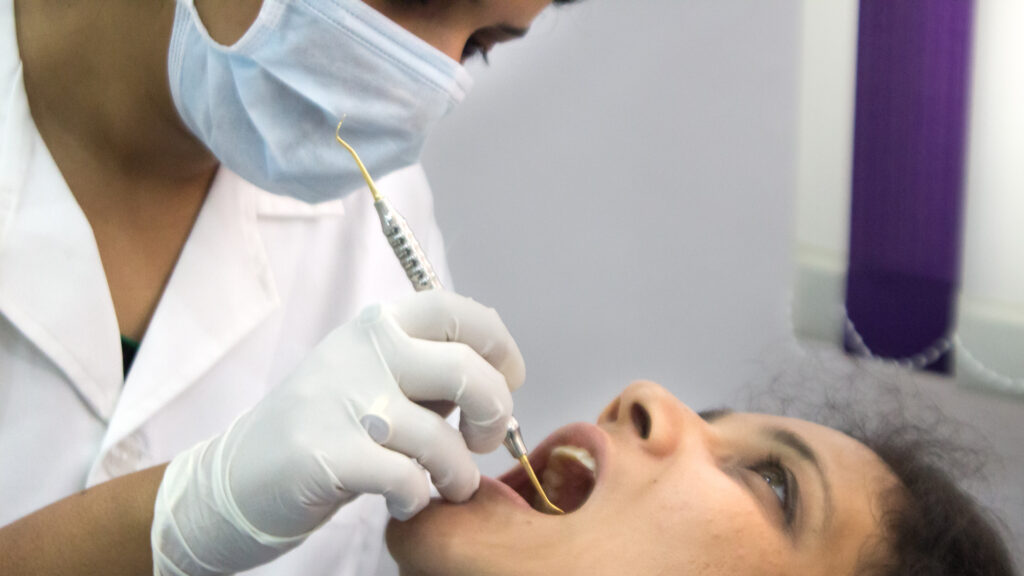
Benefits of professional cleaning
Dental cleaning is one of the most useful preventive treatments in everyday dentistry. Even if you brush twice daily, plaque can collect between teeth, along the gumline and behind the lower front teeth. When plaque hardens into calculus or tartar, it cannot be removed properly with a normal toothbrush. Scaling removes these deposits, while polishing smooths the tooth surface and helps remove surface stains.
The CDC explains that bacteria in the mouth live in plaque, a sticky film on tooth surfaces. If plaque and tartar remain for too long, they can irritate the gums and contribute to gum disease. A professional cleaning does not replace home care, but it reaches areas that are easy to miss at home.
At PurpleDent Dental Clinic in Sector 137, Noida, scaling and polishing is done with a focus on comfort and explanation. Dr. Divya Goel and the team guide patients on brushing technique, interdental cleaning and habits that may be causing repeated buildup.
What is the difference between plaque and tartar?
Plaque is soft and sticky. It forms every day when bacteria, saliva and food particles mix on the teeth. If plaque is not removed well, minerals from saliva can harden it into tartar. Tartar often looks yellow, brown or chalky and may form near the gumline or between teeth. Once tartar forms, brushing alone is not enough. A dentist or hygienist uses professional instruments to remove it safely.
Why gum health matters
Gums are the foundation around your teeth. Bleeding gums, swelling, redness, bad breath and gum recession may point to gum inflammation. If gum disease progresses, it can damage the supporting bone around teeth. The NIDCR reports that periodontal disease affects a large share of adults, with some form of gum disease affecting 2 in 5 adults age 30 or older in the United States. While this data is from the U.S., it shows why gum health is taken seriously worldwide.
Professional cleaning helps reduce bacterial deposits and gives the dentist a chance to check gum pockets, bleeding points, recession and loose teeth. In early gum inflammation, cleaning plus better home care may be enough to restore healthier gums. In more advanced gum disease, deeper periodontal treatment may be required.
What happens during scaling and polishing?
The dentist first examines your mouth to understand plaque levels, gum condition, sensitivity and any existing dental work. Scaling is then performed with ultrasonic and hand instruments as needed. Ultrasonic scalers use vibration and water spray to loosen deposits. Hand instruments may be used for finer cleaning around certain areas. After scaling, polishing paste may be used to smooth the tooth surface and reduce external stains.
If gums are inflamed, you may notice mild bleeding during cleaning. This is usually a sign that the gums were irritated before the appointment. As plaque is removed and home care improves, bleeding often reduces. If bleeding continues at home, the dentist should review your gum condition.
Is scaling painful?
Most patients find scaling comfortable. You may feel vibration, water spray, pressure or mild sensitivity. If tartar buildup is heavy or gums are inflamed, some areas may feel tender. Tell the dentist if you are uncomfortable. The cleaning can be adjusted, and sensitivity guidance can be provided. Patients with severe gum disease may need cleaning in sections or additional periodontal care.
How often is cleaning needed?
Many patients benefit from professional cleaning every six months. Some people need it more often, especially if they have gum disease, braces, diabetes, smoking habits, dry mouth, crowded teeth, implants, crowns or a history of heavy tartar buildup. Others with excellent oral hygiene and low risk may follow a different schedule after dental examination.
The Mayo Clinic notes that professional cleaning can include removal of plaque, tartar and bacterial products, and describes scaling as removing tartar and bacteria from tooth surfaces and under the gums. This reinforces why cleaning is more than cosmetic polishing.
How to maintain results at home
Brush twice daily with the correct technique and a soft-bristled toothbrush. Clean between teeth with floss, interdental brushes or a dentist-recommended aid. Rinse after sticky or sugary snacks when brushing is not possible. Drink enough water, avoid tobacco, and do not ignore bleeding gums. A few small daily habits can make the next cleaning easier and reduce the chance of gum problems.
Authority sources
- CDC: About Periodontal Gum Disease
- CDC: Gum Disease Facts
- NIDCR: Periodontal Disease in Adults
- Mayo Clinic: Gingivitis Diagnosis and Treatment
Free image resource
For a free related image, browse Pixabay dental cleaning images or this Pexels dental cleaning photo. Always check license terms before using third-party images.
FAQs
Does scaling make teeth weak?
No. Scaling removes deposits from the tooth surface. It does not remove healthy tooth structure. Teeth may feel different after heavy tartar removal because deposits are gone.
Why do gums bleed during cleaning?
Bleeding often happens when gums are already inflamed. With professional cleaning and improved home care, bleeding usually reduces over time.
Can polishing whiten my teeth?
Polishing can remove some surface stains and make teeth look cleaner, but it is not the same as professional teeth whitening.
Is teeth cleaning safe for children?
Yes, when advised by a dentist. Children may need cleaning, fluoride guidance or preventive care based on their oral hygiene and cavity risk.